
The crop growing in a field today tells only part of its story. Farmland near Humboldt, Saskatchewan, has been shaped by years of planting, harvests, rainfall and soil care. Past field records can explain why some areas perform well and where extra work may be needed.
Crop history helps show how farmland has been used and how it has performed over time. Crop rotation, yield records, soil tests and notes about weeds or disease are all useful. No record can guarantee future results, but several together can provide a better picture of the field.
Why Humboldt field history matters
Humboldt sits within a major agricultural area of east-central Saskatchewan. Grain and oilseed farming are important in the wider region. Fields may grow wheat, canola, barley and pulses, but the best crop mix depends on soil, weather and each farm's plan.
Even farms close to one another can differ. One may have flat, well-drained fields while another has wet areas or uneven soil. Past records show how these differences have affected production through several seasons.
At Darren Sander Realty, we know farmland needs to be understood beyond its legal description and its total acreage.
Start with the crop rotation record
Crop rotation is the planned order of crops grown on a field over several years. For instance, a farmer might grow a cereal, then an oilseed, followed by a pulse crop. The exact sequence varies with local conditions and the business.
A rotation can help manage disease, weeds and nutrient use. Some crop pests and diseases build up when the same host crop returns too often. Different crops also use water and nutrients in different ways. Rotation is a useful tool, but it does not remove all production risk.
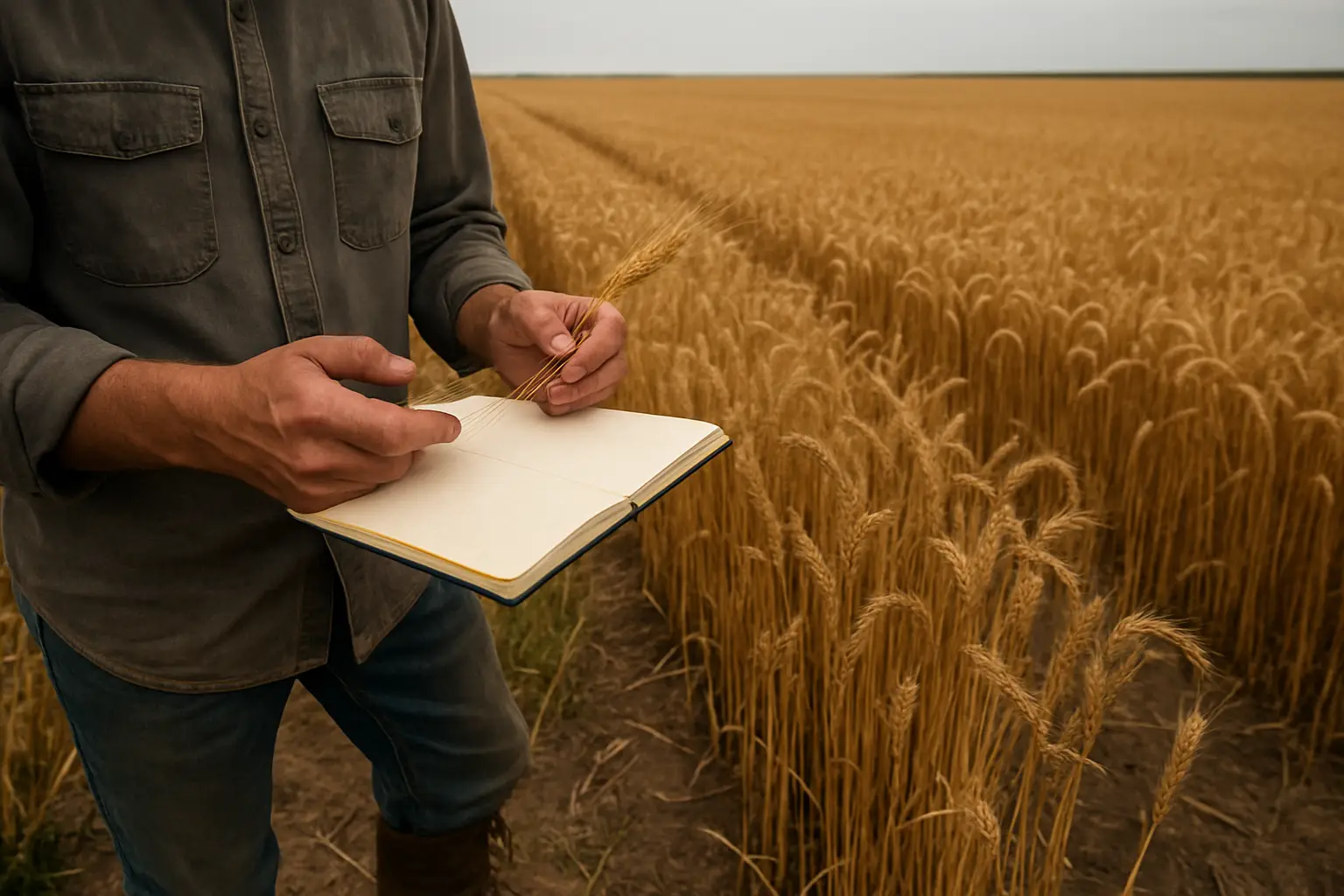
Ask for the crop types grown over the past three to five years when possible. A longer record may give an even better view. Note whether the field had repeated crops and whether that choice caused issues.
Read yields with weather in mind
Harvest yield is the amount of crop produced from a given area. It is tempting to focus on the best year, but that can be misleading. A year with ideal rain and cool weather may produce a better result than a dry, hot year.
Compare several seasons and note what the weather was like. Check whether yield figures were measured, estimated or taken from field maps. Maps may show low-yield zones that deserve a closer look.
Useful questions include:
What crop was grown each season?
Were yields measured consistently?
Were low areas wet or salt affected?
Was there a major disease or weed outbreak?
Did a change in management improve the result?
If records are incomplete, treat any yield estimate with care. Consider a field inspection and advice from a local agronomist.
Soil tests add context to production records
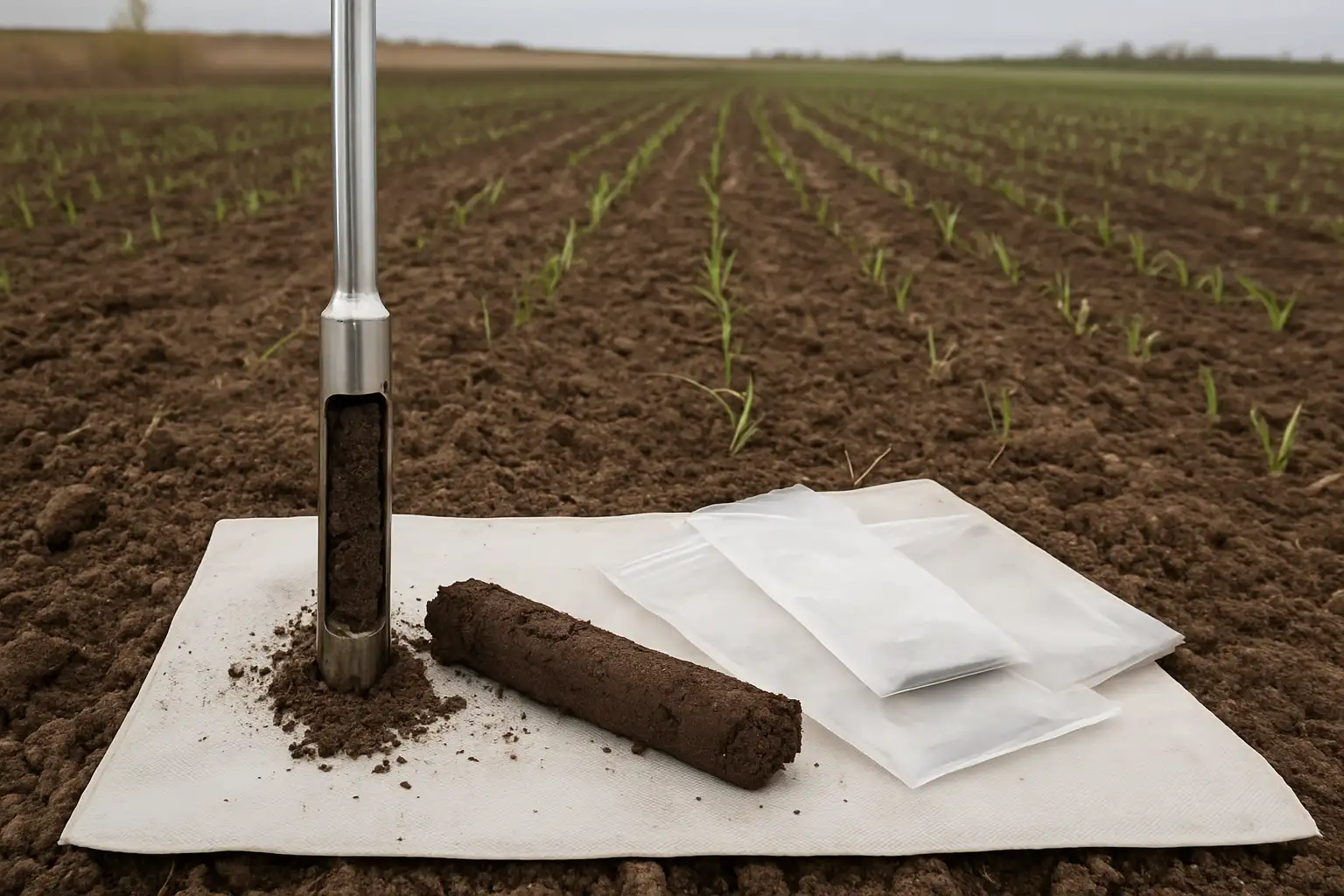
Soil tests may report nutrients such as nitrogen, phosphorus, potassium and sulphur, along with pH and other results. Some fields also need testing for salinity or specific soil problems.
One sample may not represent a whole quarter section. Fields can contain several soil types, slopes and moisture zones. It may be useful to sample different management areas separately.
Compare soil tests with fertilizer history. High past yields may have required large fertilizer inputs. Low yields may reflect a temporary weather problem rather than weak soil. Records are most useful when interpreted together.
Our guide to Saskatchewan farmland values discusses how productivity fits within a broader property review, but a field's past yield does not set its market value on its own.
Watch for weeds, crop disease and herbicide history
Some weeds can be difficult to control if they spread across a field. Ask which species have been a concern and what control methods were used. Review the crop protection products applied where those records exist.
Certain herbicides can affect which crops are suitable in later seasons. Their restrictions depend on the product, rate, soil and weather. A qualified crop adviser can help interpret these details.
Disease history matters too. If a field had a serious disease issue, future rotation and crop choices may need special care. Do not assume a clean-looking field has no past problems.
Understand moisture and drainage patterns
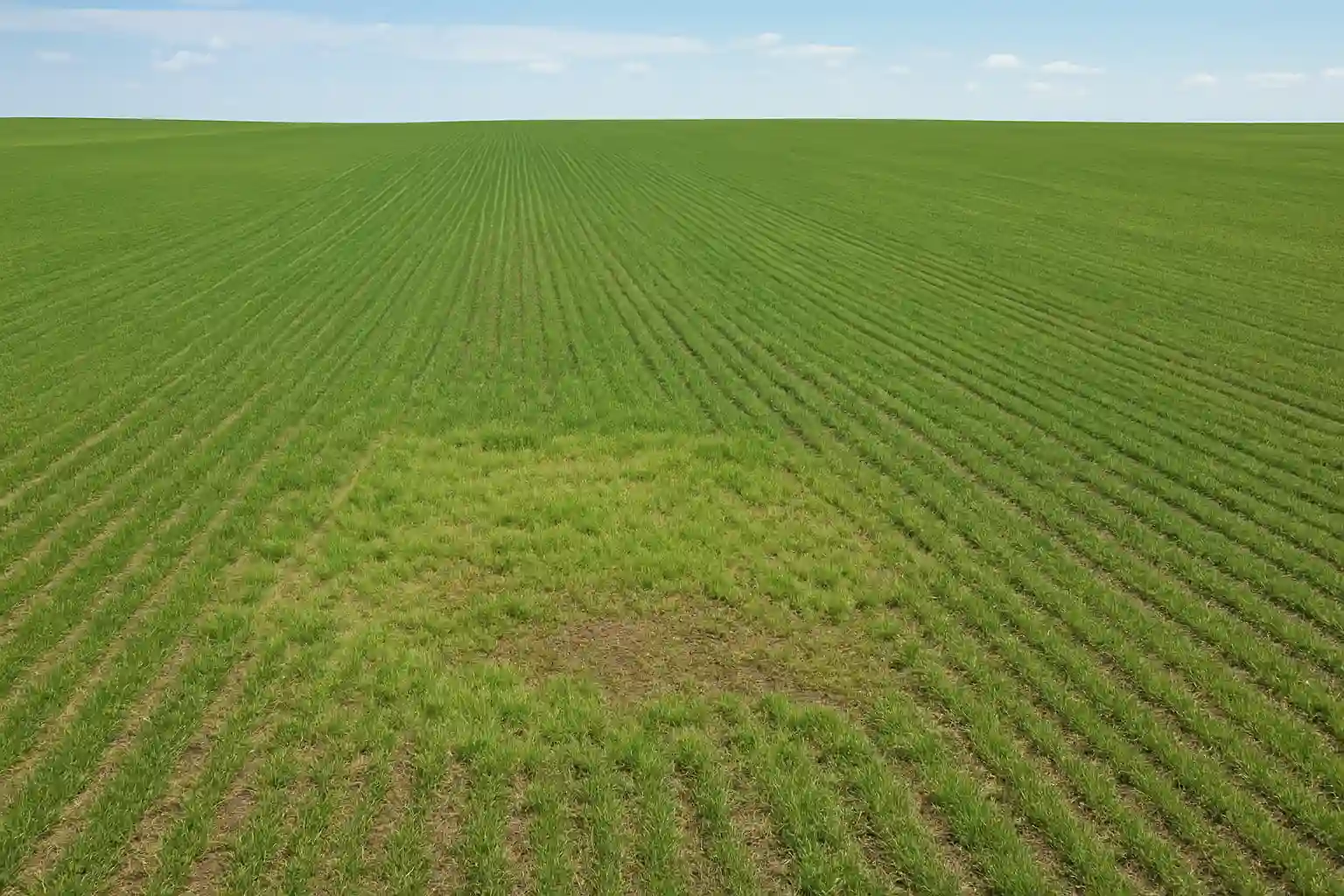
Field performance may change because of dry hilltops, wet depressions or slow-draining soil. Spring and summer field images can help show where water has collected. Aerial views from different years may reveal repeated patterns.
Ask whether drainage improvements have been made, whether approvals are in place and whether standing water has delayed seeding. Water movement can affect neighbouring land, so proposed changes need proper review.
Crop history sometimes makes drainage problems easier to spot. The same area may have weak growth in several wet years while doing well in a drier season. That is a clue to investigate, not a final diagnosis.
Look at field management practices
Tillage, crop residue, equipment traffic and weed control can affect soil structure. Heavy machinery used on wet ground may cause compaction. Wind or water erosion can remove valuable topsoil. A field with little cover may need careful management during windy periods.
Talk through the farm's past practices when that is possible. Ask whether soil cover, reduced tillage or rotation changes helped particular areas. It is also useful to know whether the land was farmed by the owner or rented to another operator.
Keep acreage terms clear
A field description may list legal acres, assessed acres and cultivated acres. They are not interchangeable. Roads, water, bushes and other features may reduce the area used for annual crops.
Our Saskatchewan farmland listing guide explains these terms and provides a useful starting point before comparing field records.
Humboldt farmland review checklist
No single document answers every question. A useful review combines records, on-site observations and specialist advice where needed.
Exploring farmland in the Humboldt area
A grain operation may be focused on workable fields and past crop results, while a mixed farm may also need pasture, forage and buildings. Match the field evidence to the operation's plans.
Explore agricultural land around Humboldt, compare conditions in the Melfort farming area, or view Saskatchewan farmland listings.
Frequently asked questions
How many years of crop history are useful?
Three to five years is a helpful starting point. More years may reveal patterns that a short record misses.
Do strong past yields guarantee future harvests?
No. Weather, crop choice, pests, moisture and field management affect each new season.
Can soil tests replace yield records?
No. Soil tests describe current soil conditions, while yield records show how crops performed in past seasons. Both add useful evidence.
Why should herbicide history be checked?
Some products have recropping restrictions. Those rules can affect what can be planted later.
Final thoughts
Crop history offers a practical way to learn about farmland around Humboldt. Use yields, rotation, soil testing and field observations together. For local property questions, contact Darren and Tyler Sander.
