
Farmland around Saskatoon supports grain, oilseed, pulse and mixed farming. Yet two nearby fields may be very different. A field can look strong from the road while wet spots, weak soil or poor access make it harder to operate.
Soil quality, drainage, crop history and field access are four of the main factors that affect farmland productivity near Saskatoon. Looking at all four gives a clearer view of how land may work for a farm over time.
Why farmland conditions vary around Saskatoon
Saskatoon sits within a large farming region. Wheat, canola, barley, peas and lentils are grown in the wider area. Crop choice varies with soil, moisture, equipment and the goals of the farm. No single crop or soil type describes every property.
Rainfall also changes from year to year. A field that performs well in a wet season may struggle when moisture is limited. That is why a one-day visit or one strong harvest is not enough to judge long-term potential.
At Darren Sander Realty, our team helps people understand farmland opportunities across Saskatchewan. Good research begins with the ground itself.
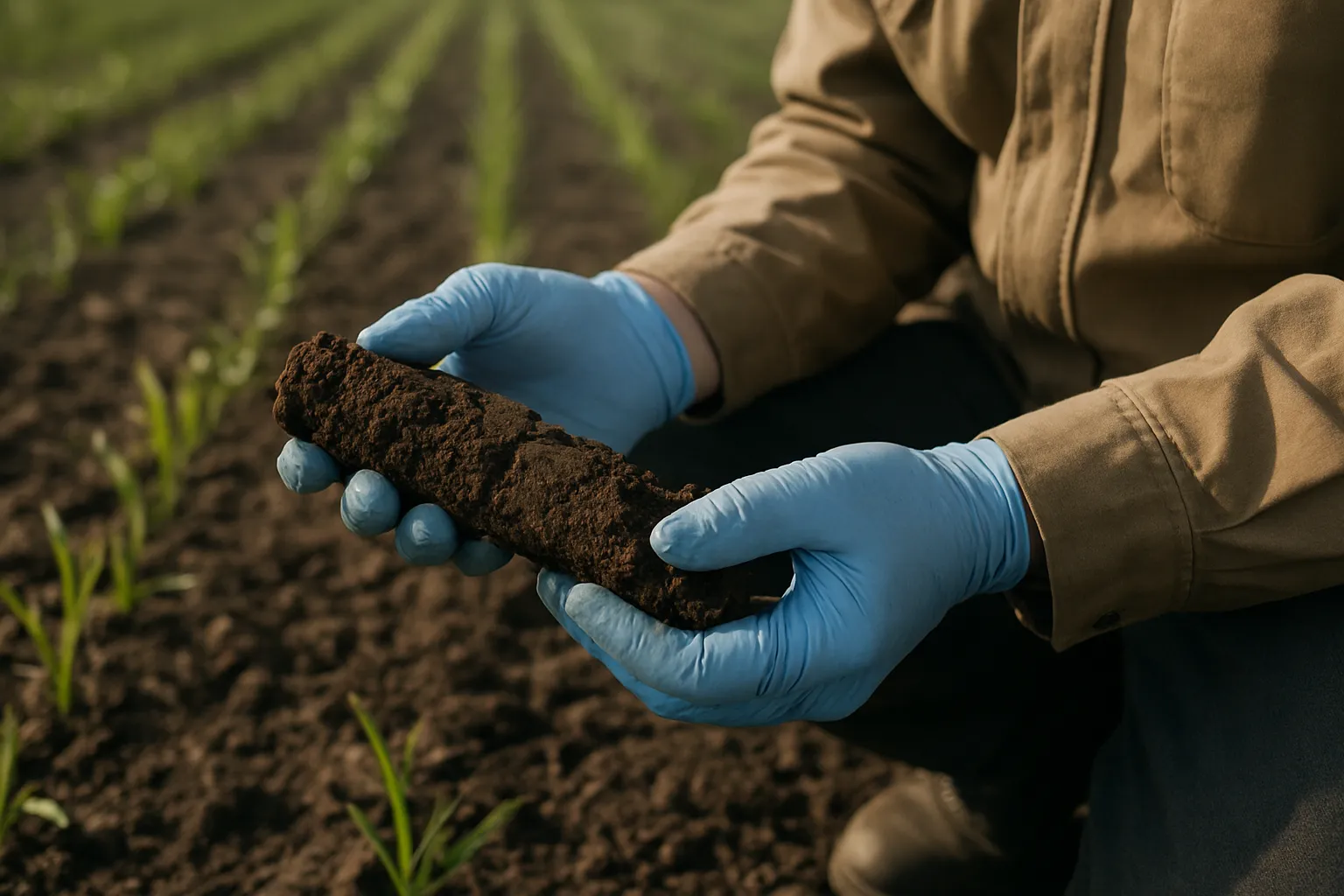
Soil quality: look beyond the surface
Soil holds water and nutrients, gives roots room to grow and supports farm activity. Key details to review include:
Soil texture and depth, which influence drainage and water storage.
Organic matter, which supports soil structure and moisture holding.
Nutrient levels and pH, which affect crop growth.
Compaction, erosion and salt-affected areas.
Differences between low ground and higher parts of a field.
Soil can change within one quarter section. One sample from the yard may not tell you much about the whole field. A planned soil testing program can compare separate management zones. An agronomist can help explain results and whether past soil care has supported healthy production.
Land descriptions also use different acreage and assessment terms. Our guide to reading a Saskatchewan farmland listing explains legal acres, cultivated acres and other details worth checking.
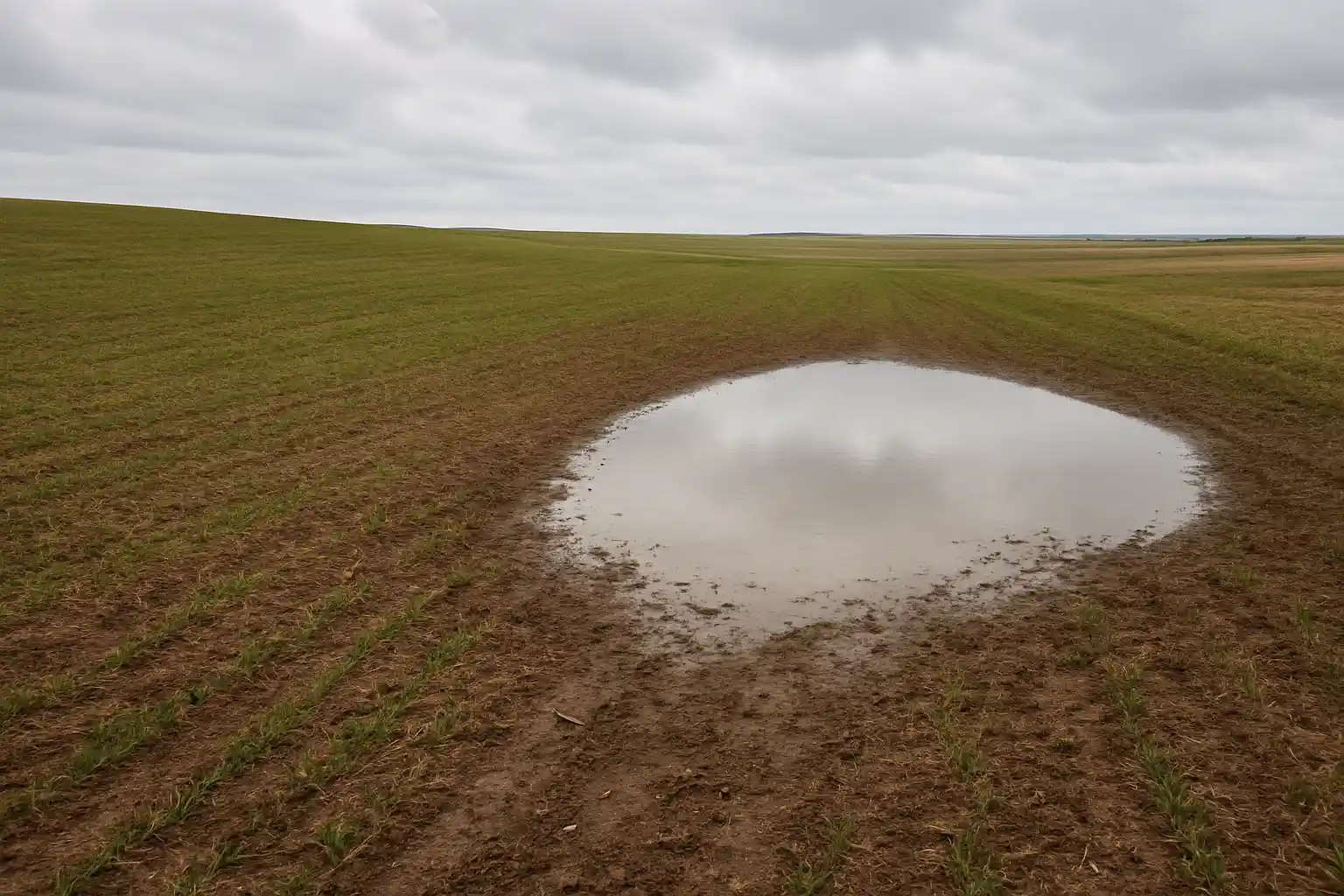
Drainage: small wet areas can have a big effect
Water is essential, but too much standing water can slow spring work. When a field stays wet, roots may have less oxygen and machinery can damage the soil. Poor drainage may also reduce the area that can be seeded on time.
Watch for low spots that remain wet after nearby ground dries, old wheel ruts, bare patches and uneven plant growth. Compare spring conditions with summer photos where possible. Ask whether the same places have caused problems in past seasons.
Drainage work is not simply a matter of digging a ditch. Saskatchewan's Water Security Agency regulates agricultural drainage, and appropriate approvals are important. A wetland or natural low area may also have a useful role in the landscape. Seek professional advice before planning changes.
Crop history shows how the field has behaved
Past records help connect soil and weather to real field results. Try to review several growing seasons rather than a single yield number. Records may include crop types, harvested yields, fertilizer use and known weed or disease problems.
Crop rotation matters because different crops use water and nutrients in different ways. Repeating one crop too often can raise some disease risks. A more varied rotation can support sound field management, although it cannot prevent every problem.
When yield records are available, ask whether unusually high or low results came from weather, field conditions or farm practices. Some owners may not have complete records. In that case, soil testing and a careful field visit become even more useful.
Field access and equipment movement
Today's seeders, combines and grain trucks can be large. A narrow gate or poor approach may add time to every trip. Field access should be safe, practical and legally secure.
Check whether equipment can reach the field from a public road. Find out whether access crosses another property and, if so, whether there is a registered right of way. Look at road width, bridges, culverts and possible seasonal weight limits. Confirm details with the proper authorities when needed.
Distance matters too. Long trips between fields, grain storage and delivery points add fuel and labour costs. A field's location may fit one operator well but be less practical for another.
Local regulations can affect building and land-use plans. See our farmland zoning overview for questions to raise before major changes.
Field shape and workable acres
A square field without many obstacles may allow long, straight machinery passes. Irregular boundaries, sloughs, shelterbelts and power lines may increase turning and travel time. Still, a smaller or unusual field is not automatically poor land. The right fit depends on farm equipment and the intended use.
Use current maps to locate roads and field features, then confirm them on site. Aerial images do not always show wet ground, damaged approaches or changing fence lines. Also confirm the gap between total acres and acres that can actually be cultivated.
A simple farmland review checklist
None of these items should be reviewed alone. Strong soil may be less useful where access is unreliable. Good access may not make up for costly soil problems. Look at how the whole property serves the farm operation.
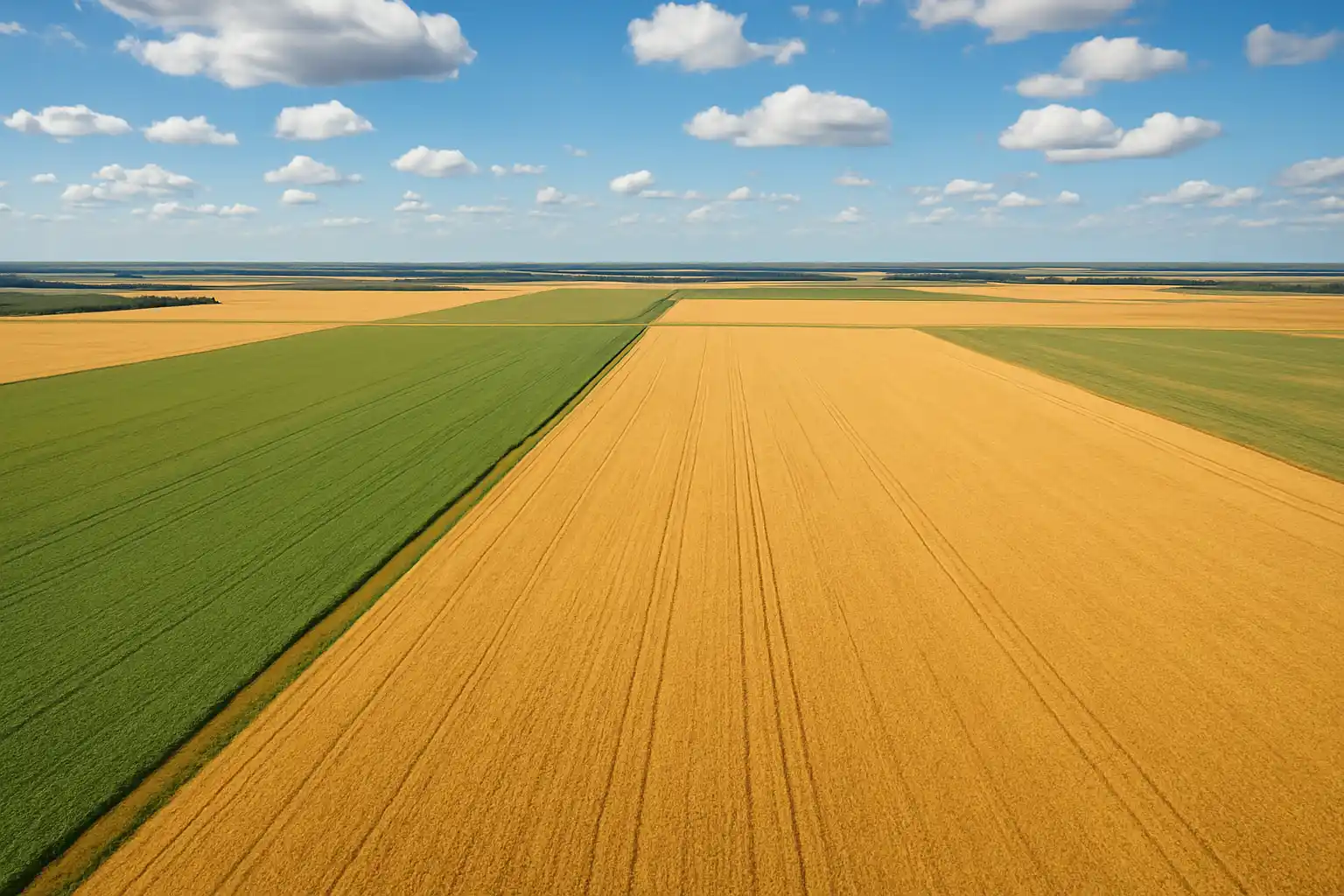
Comparing farms in the Saskatoon area
Different operations have different needs. A large grain farm may value broad, workable fields and quick truck access. A mixed operation may need pasture, water and serviceable buildings as well. Comparing a property against your actual equipment and operating plan is more useful than relying on acreage alone.
You can explore agricultural land around Saskatoon and compare it with Saskatchewan farmland listings. The regional page is the place to review local opportunities; this guide is intended to explain the field features behind them.
Frequently asked questions
Which crops are common near Saskatoon?
Wheat, canola, barley, peas and lentils are grown in the wider region. A specific field's suitable crops depend on soil, moisture, history and management.
Can drainage problems be corrected?
Some issues can be improved, but the options, costs and approvals vary. A qualified professional should assess the site before work begins.
Why do cultivated acres matter?
Total area may include roads, wetlands or non-crop sections. Cultivated acres give a better starting point for judging the land used in crop production.
Does good soil guarantee a strong harvest?
No. Weather, crop choice, pests and management all affect results. Soil quality is only one part of production.
Final thoughts
Saskatoon farmland deserves a close look at soil, drainage, crop records, access and field layout. Together, those details tell a much better story than a photo or acreage figure. For guidance on the next steps, learn about our farm real estate services or contact Darren and Tyler Sander.
