
Farmland around Regina serves more than one type of operation. Some fields produce crops for harvest. Others supply grass and forage for cattle or other livestock. Many farms combine both uses.
Cropland is mainly used to grow harvested crops, while pastureland provides forage for grazing animals. They need different soil, water, equipment and management plans. Knowing the difference helps farmers judge how land may fit a working operation.
What cropland does on a Regina-area farm
Cropland is used for crops such as wheat, canola, durum, lentils and peas. These crops are part of the wider southern Saskatchewan farming landscape. The actual crops grown depend on local soil, season and farm plans.
A cropland review should consider soil texture, fertility and depth; available moisture; drainage; past crop rotation; weed problems; and workable acreage. Machinery access matters as well because seeding, spraying and harvest equipment may need wide approaches and safe routes.
One quarter section can contain productive soil, low spots, roads and uncultivated land. Total acres and acres used for crops may be different. Our Saskatchewan farmland listing guide explains these land measurements.
At Darren Sander Realty, we work with clients exploring agricultural property across Saskatchewan and the communities around Regina.
What pastureland does on a livestock farm
Pastureland is managed to grow plants that animals can graze. It may contain native grass, seeded forage or a mix. Its quality is not measured by acreage alone.
Grass coverage, plant health, soil moisture and the amount of usable forage all matter. So do fencing, gates, livestock water and access to handling areas. A pasture with little reliable water may need major improvements before it can support a larger herd.
Overgrazing can weaken plants and leave more exposed soil. Giving forage time to recover can help maintain a healthy stand. The best grazing plan depends on the plants, the number of animals and the weather.
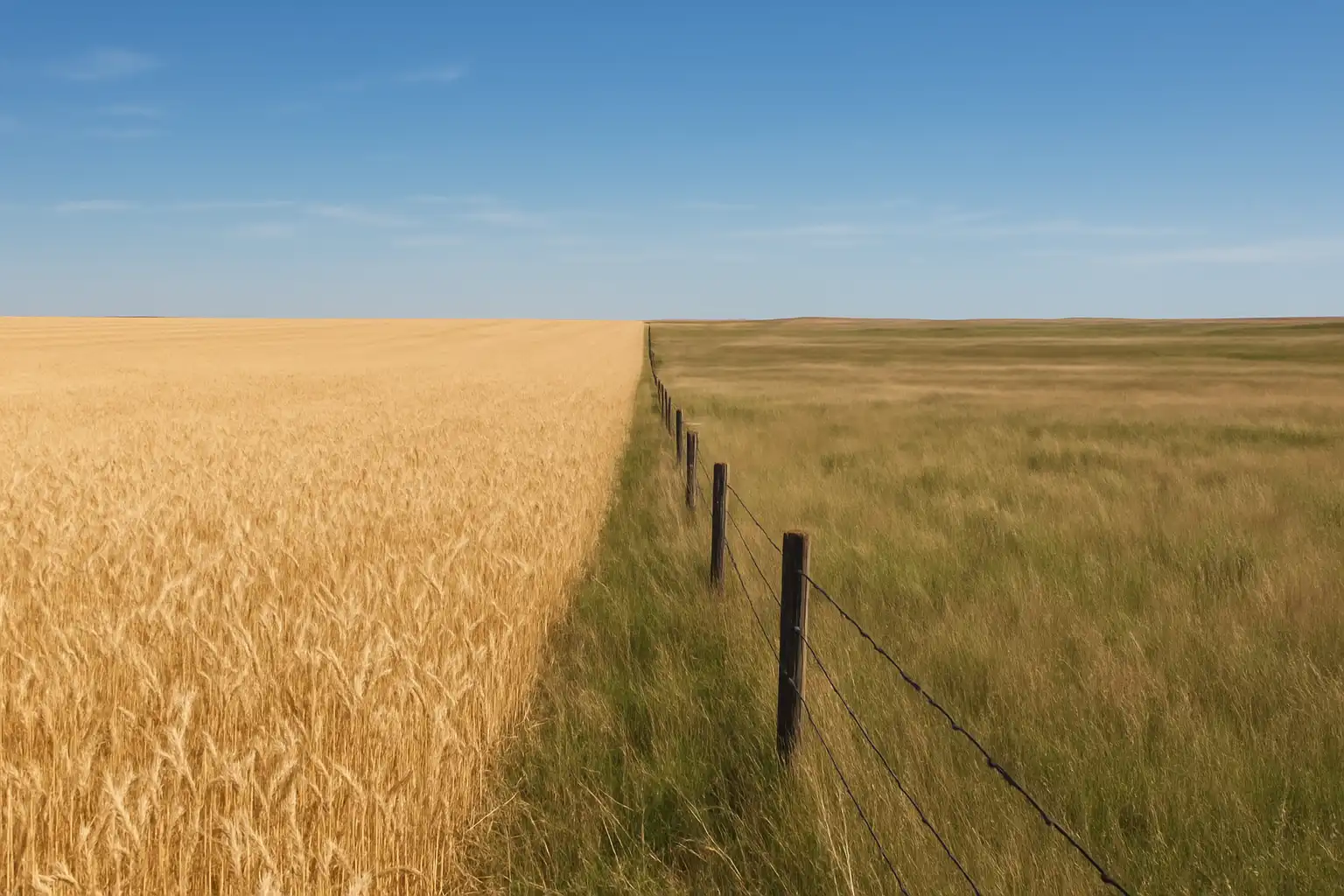
Cropland and pastureland side by side
Neither land type is automatically better. Their value to the operator depends on the farming goal and the costs needed to use the land well.
How soil conditions affect crop fields
Soil controls how well crops can establish roots, find nutrients and use water. Heavy soils may hold moisture longer, while lighter soils may dry faster. Salinity, erosion and compaction can limit growth in certain areas.
Soil testing helps show current nutrients and possible trouble areas. Several samples may be needed where conditions change within a field. It is also useful to ask how the land has been cropped and managed during past seasons.
Weather can change results even on well-managed cropland. A strong year should never be treated as a promise about future yields.
What is pasture carrying capacity?
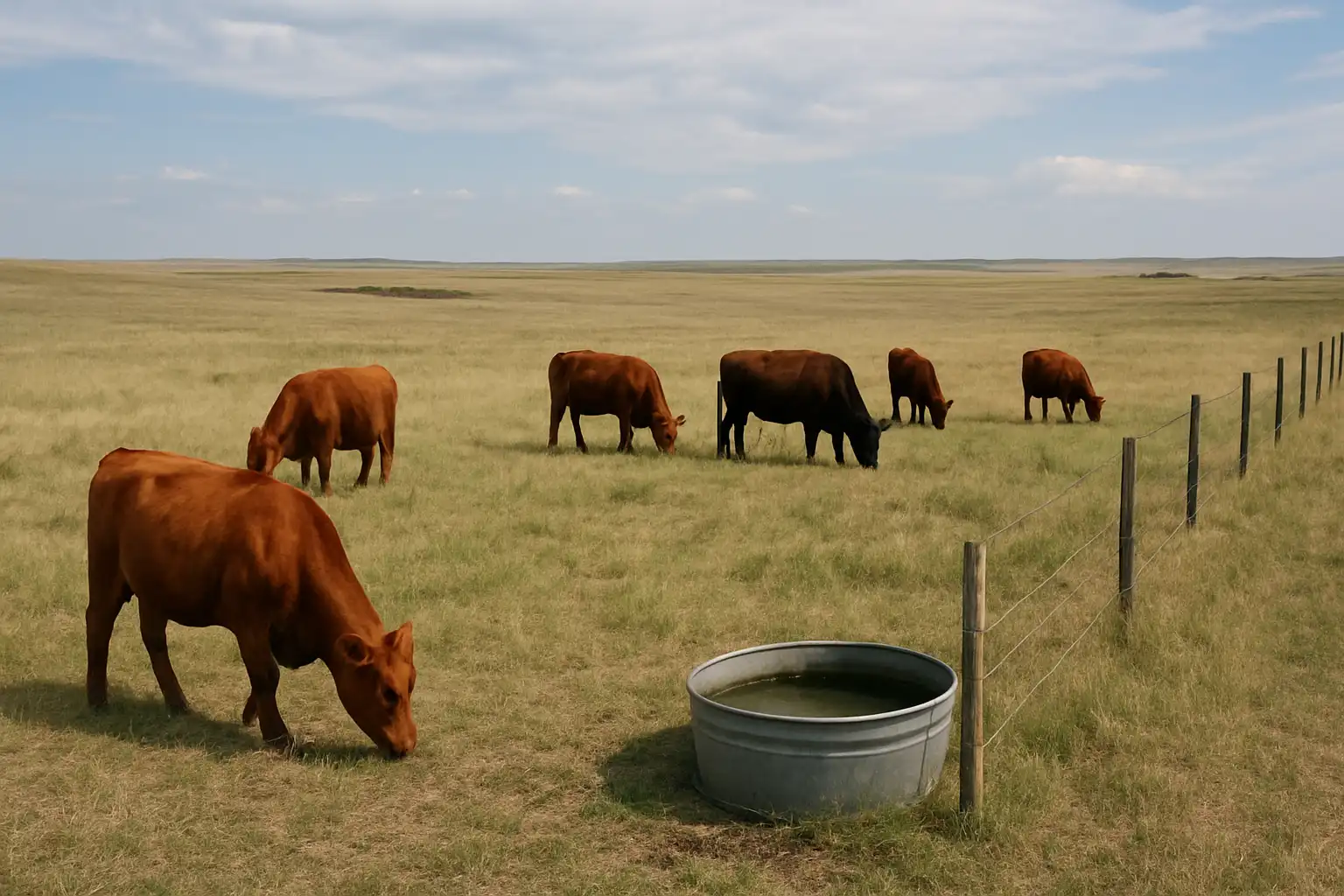
Carrying capacity describes how many animals a pasture can support over a period without harming its forage base. A common measure is the animal unit month, or AUM. It is an estimate, not a fixed number for every year.
Actual capacity changes with rainfall, plant type, grazing history and how long animals stay in the field. A dry year may support fewer animals than a wetter year. A qualified forage specialist can help estimate what is practical for a given pasture.
Water access is part of this calculation. A large field with poor water distribution may be difficult to use evenly. Fencing and gates also affect grazing plans.
Infrastructure needs differ
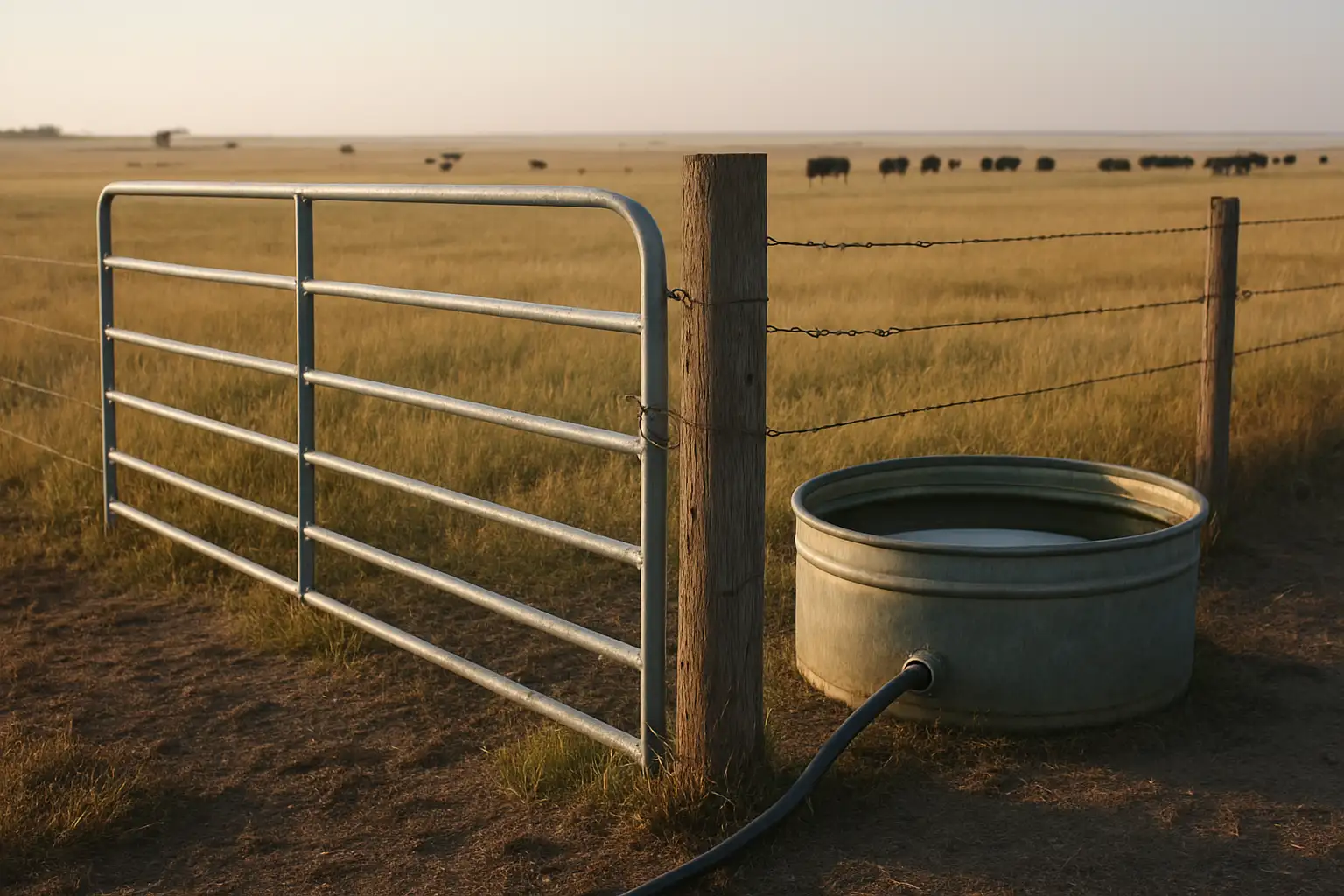
Crop farms often need equipment approaches, grain bins, loading space and truck routes. Pasture farms may need safe fences, water troughs, dugouts, wells and livestock handling facilities.
Check the condition, location and cost of any existing improvements. An old fence may require replacement. A grain bin with damage may not be safe or useful. Buildings should match current equipment and operating needs, not only look large on paper.
Land use plans can also be affected by local rules and environmental limits. Check before changing pasture, clearing land or putting up new facilities.
Income and leasing considerations
Cropland income can come from harvested crops or rent paid by a farm operator. Pasture may support a livestock business or be leased for grazing. These arrangements have different duties and risks.
Some owners use cash rent for cropland, while others agree to a crop share. The details depend on the contract. Our article about cash rent versus crop share explains those models. Grazing leases may use different terms and should be reviewed on their own.
Costs matter as much as expected income. Seed, fertilizer, fencing, labour, water systems and maintenance all affect the farm budget.
Can the two land types work together?
Yes. Many mixed farms include cultivated fields, hayland and pasture. Crop residues may be used in livestock systems where appropriate. Forage crops can also have a place in a wider crop plan.
The balance that works best depends on available labour, equipment, feed needs and local field conditions. A property with both cropland and pasture is not automatically well suited to every mixed farm. Look at where each part lies and how easily it can be managed.
Comparing agricultural land around Regina
The region includes different combinations of cultivated fields and grazing land. Start by identifying what the farm needs from the property. Then review workable acres, forage cover, water, road access and the cost of needed repairs.
Explore Regina farmland opportunities or compare nearby conditions with the Moose Jaw agricultural area. For a broader view, see Saskatchewan farmland listings.
Frequently asked questions
Can pastureland be used for crops?
Some pasture may be suitable for cultivation, but soil, habitat rules, approvals and costs must be checked. Many pastures are best left in forage use.
Does more acreage always mean more grazing?
No. Forage quality, water, plant health and the season can matter more than total acres.
Is cropland always worth more?
No. Location, demand, productivity, access and improvements all affect market value. Each property requires its own review.
Can a farm have both cropland and pasture?
Yes. Mixed farms often use separate areas for harvested crops, hay and grazing.
Final thoughts
Cropland and pastureland have different roles in Regina-area farming. Soil, forage, water and infrastructure determine how well each serves the farm. Comparing those needs with the land's actual condition is the useful next step. For local guidance, contact Darren and Tyler Sander.
