
Selling farmland in Saskatchewan starts with knowing your land’s value, preparing the right documents, choosing how to sell, and reaching qualified buyers. The best way to sell farmland is to understand current market conditions, present the property clearly, and use a pricing strategy that attracts serious offers. Soil quality, acreage, location, crop history, access, and improvements can all affect the final price.
Whether you sell privately or work with a farmland realtor, good preparation and careful negotiation can help you protect your investment and get the best possible return from your Saskatchewan farmland.
How Do I Sell Farmland in Saskatchewan?
To sell farmland in Saskatchewan, follow six main steps:
Determine your farmland’s current market value.
Gather important property and land documents.
Prepare the farm for buyers.
Decide whether to sell privately or through a realtor.
Market the land to qualified buyers.
Review offers, negotiate terms, and complete the sale.
Selling farmland is different from selling a house. Farmland buyers often study the soil, crop history, acres, access, location, drainage, improvements, and farming potential before making an offer.
A clear selling plan can help you avoid delays and improve your chances of receiving a strong offer.
For professional support with the process, learn more about buying and selling farmland in Saskatchewan.
Understanding Saskatchewan Farmland Value Before Selling
Before listing your land, you need to know what it may be worth.
The value of farmland is not based on acreage alone. Two properties with the same number of acres may sell for very different prices because of soil quality, location, access, improvements, and local demand.
Soil Quality and Productivity
Soil quality is one of the most important factors in farmland value.
Buyers may look at:
Soil type and classification
Crop production history
Past yields
Drainage
Field condition
Farming potential
Number of cultivated acres
Productive land that is easy to farm may attract more interest. If the land has a strong history of crop production, make that information easy for buyers to understand.
Location and Accessibility
Location can have a major impact on farmland value.
Buyers may consider:
Distance to nearby towns
Road access
Distance to grain elevators
Nearby agricultural services
Distance from the buyer’s current farm
Ease of moving equipment to the property
Land that is close to established farming areas may be more attractive to local operators.
You can review examples of Saskatchewan farms for sale to see how agricultural properties are presented to buyers.
Acreage and Property Layout
The size and shape of the property also matter. Buyers often review:
Total acres
Cultivated acres
Number of parcels
Field shape
Access between parcels
Equipment access
Large, connected fields can be easier and more efficient to farm than several small or separated parcels.
Farm Improvements and Additional Features
Buildings and other improvements may increase the value or appeal of the property. These may include:
Grain storage
Shops
Barns
Fencing
Livestock facilities
Water systems
Irrigation
Yard sites
Not every buyer will value each improvement the same way. A buyer who only wants cropland may care less about older buildings, while another buyer may see those structures as useful.
How to Prepare Your Farm Before Selling
Good preparation can make the selling process easier and help buyers feel more confident about the property.
You do not need to make farmland look like a staged home. However, you should make sure the property information is clear, organized, and easy to review.
Organize Important Property Documents
Gather important documents before you begin marketing the property.
These may include:
Property title information
Tax records
Land descriptions
Survey information
Rental or lease agreements
Crop history
Building information
Improvement records
Utility information
Having these documents ready can help answer buyer questions quickly. It can also reduce delays after you receive an offer.
Prepare Accurate Land Information
Buyers want clear details before deciding whether to make an offer. Prepare information about:
Total acreage
Cultivated acres
Soil type
Current land use
Crop history
Access roads
Water sources
Buildings
Fencing
Existing leases
Any other agreements that may affect the land
Do not make buyers search for basic facts. Clear information can make your property easier to compare with other farmland for sale.
Improve Farm Presentation
Farmland does not require expensive cosmetic work, but basic cleanup can help. Before selling, consider:
Removing unnecessary equipment
Cleaning visible debris
Organizing farm buildings
Clearing entrances
Maintaining access roads
Taking updated property photos
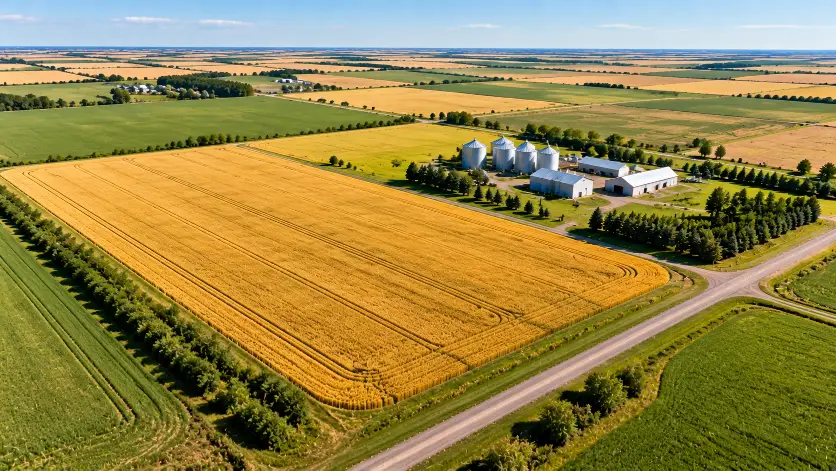
Good photos are especially important for online listings. Aerial images can also help buyers see field shape, property layout, roads, and nearby land.
Should I Sell Farmland Privately or Through a Realtor?
Saskatchewan farmland owners usually choose between selling privately and working with a realtor. Both methods can work, but they offer different levels of control, exposure, and support.
Selling Farmland Privately
A private sale means you manage most of the process yourself. You may need to:
Set the asking price
Create the listing
Find potential buyers
Answer buyer questions
Arrange property viewings
Review offers
Negotiate terms
Work with legal professionals to complete the sale
Selling privately may appeal to owners who already know a likely buyer or who have experience with farmland transactions.
Benefits may include:
Direct communication with buyers
More control over the process
No realtor commission
Challenges may include:
Smaller buyer reach
Difficulty setting the right price
More time spent handling inquiries
More responsibility during negotiations
Less professional market guidance
A private sale does not always mean a better net result. If the property is underpriced or poorly marketed, the seller may lose more in sale value than they save in fees.
Selling Through a Farmland Realtor
A farmland realtor can help manage the selling process from pricing to negotiation.
Support may include:
Property valuation guidance
Pricing strategy
Listing preparation
Professional marketing
Buyer outreach
Showing coordination
Offer review
Negotiation support
A realtor who understands farmland can also explain which features matter most to agricultural buyers.
This can be useful if you are selling a large farm, multiple parcels, leased land, or a property with several improvements.
How to Market Farmland in Saskatchewan
Marketing is not only about putting a property online. The goal is to reach buyers who have the interest and ability to purchase the land.
A strong farmland listing should answer the most important buyer questions before they even make contact.
Use Professional Photography
Good photos help buyers understand the property faster.
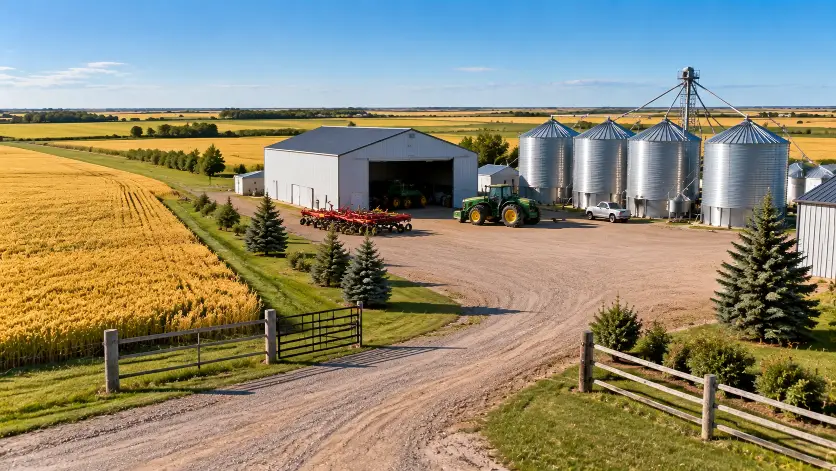
Images should show:
Fields
Access roads
Buildings
Yard sites
Water features
Grain storage
Other major improvements
Photos should be current and easy to understand.
Include Aerial Property Views
Aerial images can be very useful for farmland.
They can show:
Field size
Property shape
Roads
Nearby parcels
Surrounding farmland
Buildings and yard sites
This gives buyers a better view of the full property.
Reach the Right Buyers
The best buyer may be a local farmer, a neighbouring landowner, an expanding farm business, or an investor.
Potential buyers may include:
Farmers looking to expand
Neighbouring landowners
Agricultural investors
Farm families
Buyers moving into a new region
Regional pages can also help buyers explore specific markets, such as Regina farms for sale or farmland for sale in Saskatoon.
What Steps Are Involved in Selling Farmland?
The farmland selling process can be broken into a simple timeline.
First, determine the likely market value. Next, gather your documents and prepare the land information. Then choose how you want to sell and create a marketing plan.
After the property is on the market, buyers may ask questions, request more information, or visit the land.
When you receive an offer, review:
Price
Deposit
Financing conditions
Closing date
Possession date
Included assets
Other buyer conditions
Once both sides agree to the terms, the sale moves toward legal completion. The exact process can vary depending on the property and the agreement.
How Do I Get the Highest Price for Farmland?
Getting the highest price for farmland is usually about more than asking for a high number. You need the right price, strong marketing, good property information, and serious buyers.
Understand Your Market Value
A realistic asking price can attract more qualified interest. If you price too high, buyers may ignore the property. If you price too low, you may leave money on the table.
Your pricing strategy should consider:
Recent comparable sales
Soil quality
Acreage
Location
Improvements
Local buyer demand
Overall property condition
Highlight Your Property Strengths
Do not make buyers guess why your land is valuable. Clearly highlight features such as:
Strong soil
Good crop history
Easy road access
Large connected acres
Useful buildings
Grain storage
Water access
Good location
The strongest features should be easy to find in the listing.
Choose the Right Selling Strategy
Different properties may require different selling approaches. Your strategy may depend on:
Property size
Number of parcels
Buyer demand
Your timeline
Local market conditions
Whether the farm is leased
The goal is to choose a method that creates strong exposure without making the process harder than it needs to be.
Create Buyer Competition
More qualified buyers can lead to stronger offers. A good marketing plan can help create competition by exposing the property to:
Local farmers
Nearby landowners
Buyers from other parts of Saskatchewan
Agricultural investors
This is one reason broad marketing can be valuable.
Common Mistakes When Selling Saskatchewan Farmland
Selling farmland is a major financial decision. Avoiding common mistakes can help protect your return.
Avoid Pricing Without Proper Research
Do not set your price only because a neighbour sold land for a certain amount. Every property is different. Soil, location, cultivated acres, improvements, access, and local demand can all affect value.
Prepare Documents Before Listing
Do not wait until a buyer makes an offer to organize your information. Missing documents can slow the process and create uncertainty. Prepare the important details early.
Do Not Limit Your Marketing Reach
Selling only to one nearby buyer may be simple, but it may not show you what the wider market is willing to pay. More exposure can help you compare interest and offers.
Look Beyond the Highest Offer
The highest offer is not always the best offer. Review the full terms, including:
Financing conditions
Deposit
Closing date
Possession
Buyer conditions
A slightly lower offer with fewer conditions may sometimes be more attractive than a higher but uncertain offer.
How Long Does It Take to Sell Farmland in Saskatchewan?
There is no single timeline for every farmland sale. The time needed depends on:
Asking price
Location
Soil quality
Property size
Market demand
Marketing exposure
Buyer financing
Terms of the sale
Some farms may attract interest quickly. Others may take longer because they need a very specific buyer.
Preparing your property and documents before listing can help reduce unnecessary delays.
Frequently Asked Questions
How Do I Sell Farmland in Saskatchewan?
Start by determining your land’s value, preparing documents, choosing a selling method, marketing the property, reviewing offers, and completing the legal sale.
What Steps Are Involved in Selling Farmland?
The main steps are valuation, preparation, marketing, buyer communication, offer negotiation, and closing.
How Do I Prepare My Farm Before Selling?
Gather property records, prepare accurate land information, clean visible areas, organize buildings, maintain access points, and prepare current photos.
Should I Sell Farmland Privately or Through a Realtor?
Selling privately gives you more direct control, but you must manage pricing, marketing, buyer communication, and negotiation yourself. A farmland realtor can provide market knowledge, broader buyer exposure, and professional support.
How Do I Get the Highest Price for Farmland?
Know the true market value, highlight the strongest features, reach multiple qualified buyers, use good property information, and negotiate the full offer rather than focusing only on price.
What Information Do Farmland Buyers Need?
Buyers commonly want information about acreage, cultivated acres, soil, crop history, access, buildings, water, improvements, taxes, and existing leases.
Where Can Buyers Find Farmland in Saskatchewan?
Buyers can review farms for sale in Saskatchewan and regional listings such as farm properties near North Battleford and farmland for sale in Humboldt.
Final Thoughts
Selling farmland in Saskatchewan takes planning, good information, and the right strategy. Start by understanding the value of your land. Then organize your documents, prepare the property, choose how you want to sell, and market it to qualified buyers.
The strongest sale is not always the one with the highest asking price. It is the sale that creates serious buyer interest, protects your position, and gives you favourable terms.
If you are preparing to sell agricultural land, Darren Sander Realty can help you understand the Saskatchewan farmland market and your selling options.
When you are ready to discuss your property, contact Darren Sander Realty for guidance on your farmland sale.
